Get Septic Tank Pumping
Septic tank pumping services help property owners prevent backups, odors, and system failures by removing accumulated waste and debris through experienced local contractors.
Septic tank pumping is an essential maintenance task for property owners who want to ensure their systems operate efficiently and reliably. Regular pumping helps prevent backups, reduces the risk of costly repairs, and keeps the entire system functioning smoothly. Whether managing a residential property or a commercial site, understanding the importance of timely septic service can support long-term property health and reduce unexpected issues.
For those planning property projects or maintaining existing systems, exploring local service providers can provide valuable options. Local contractors offer a range of septic pumping services tailored to different needs, making it easier to compare solutions and find the right fit. Continuing to read can help property owners gather the information needed to make informed decisions about septic system care and maintenance.
- Septic Tank Pumping - needed when a septic system begins to back up or shows signs of improper drainage.
- Septic System Maintenance - required as part of regular upkeep to prevent clogs and system failure.
- Septic Tank Cleaning - necessary when sludge and solids accumulate, reducing system efficiency.
- Septic Inspection Services - advisable before purchasing a property or if there are issues with odors or backups.
- Septic System Repair - needed when leaks, cracks, or other damage compromise the system’s function.
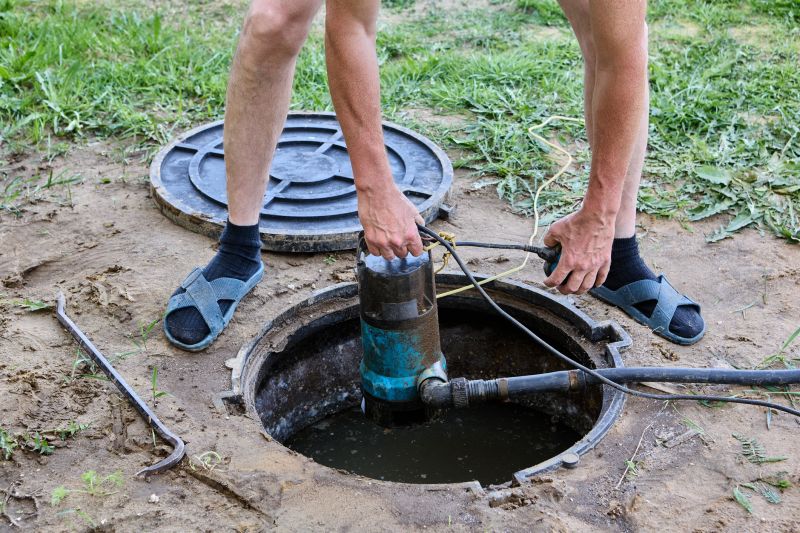
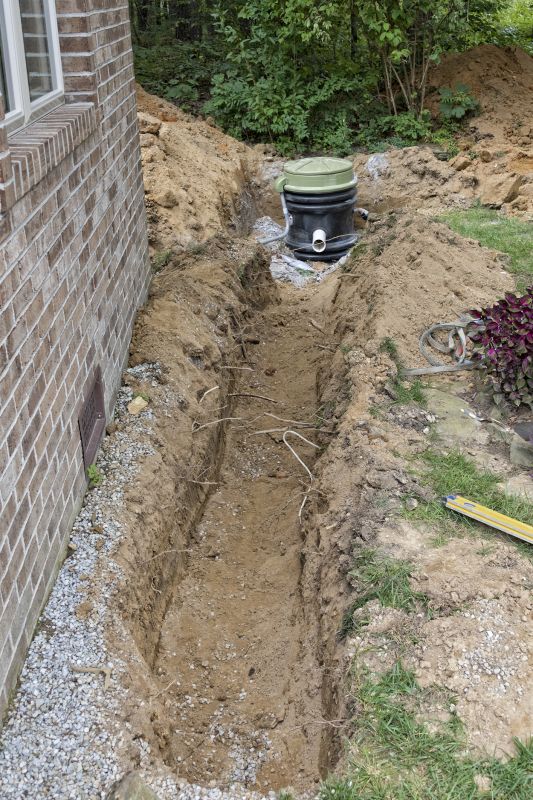
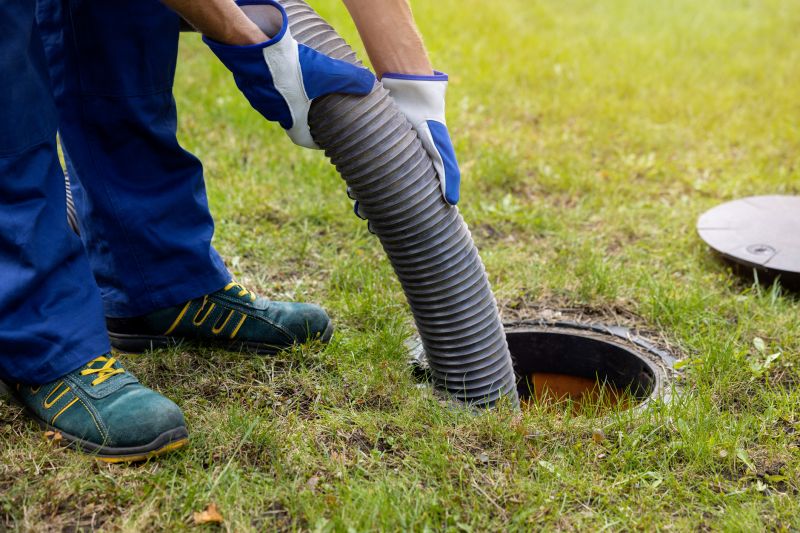
Septic tank pumping services involve the removal of accumulated solids and liquids from a home's septic tank. Over time, waste and sludge build up inside the tank, which can lead to system inefficiency or failure if not regularly maintained. Professional septic pumping ensures that the tank is emptied thoroughly, helping to keep the entire septic system functioning properly. This process typically involves accessing the tank, safely extracting the contents, and inspecting the system for any signs of damage or potential issues that may need attention.
Regular septic tank pumping helps prevent common problems such as backups, foul odors, and overflows. When a septic tank becomes too full, solids can escape into the drain field, causing clogs and damage that may require costly repairs. Pumping also reduces the risk of sewage backups into the home, which can pose health hazards and create significant inconvenience. By scheduling routine pumping, property owners can maintain a healthy septic system and avoid emergency situations that disrupt daily life.
Septic tank pumping services are commonly used by homeowners with properties that rely on septic systems rather than municipal sewer connections. These properties often include rural homes, farms, vacation cabins, and some suburban residences that are not connected to city sewer lines. Any property with a septic tank should have a professional evaluate and perform pumping as part of regular maintenance to ensure the system continues to operate efficiently and reliably.
Homeowners should consider septic tank pumping when they notice signs such as slow drains, gurgling sounds in plumbing, or unpleasant odors around the property. Additionally, if a septic tank has not been serviced in several years, scheduling a pumping appointment can help prevent potential problems before they escalate. Contacting experienced local contractors can provide the necessary expertise to handle septic pumping safely and effectively, helping to keep the property’s waste management system in optimal condition.
The overview below groups typical Septic Tank Pumping projects into broad ranges so you can see how smaller, mid-sized, and larger jobs often compare in your area.
In many markets, a large share of routine jobs stays in the lower and middle ranges, while only a smaller percentage of projects moves into the highest bands when the work is more complex or site conditions are harder than average.
Routine Pumping - most standard septic tank pumping jobs typically range from $250 to $600. Many homeowners find their projects fall within this middle band, covering regular maintenance needs. Fewer jobs require the higher end of the spectrum, which can reach $700 or more for larger tanks.
Septic Tank Inspection - inspections usually cost between $100 and $300, depending on the complexity of the system. Many routine inspections stay within this range, with more detailed assessments pushing costs higher, especially for older or complex systems.
Smaller Repairs - minor repairs, such as fixing a pump or replacing a baffle, generally cost $200 to $800. These projects are common and tend to land in the lower to middle part of this range, with more extensive repairs reaching $1,000+ in less frequent cases.
Full System Replacement - replacing an entire septic system can range from $3,000 to over $10,000, depending on size, location, and system type. Larger, more complex projects tend to fall into the higher end of this spectrum, while simpler replacements are more affordable within the lower range.
Actual totals will depend on details like access to the work area, the scope of the project, and the materials selected, so use these as general starting points rather than exact figures.
Drain Field Installation - local contractors who install or repair drain fields use similar planning, excavation, and site assessment skills as septic tank pumping services.
Septic System Inspection - professionals performing septic system inspections evaluate tank conditions and identify issues, requiring knowledge of septic components and proper handling procedures.
Septic Tank Maintenance - routine septic tank maintenance involves pumping and cleaning, which shares skills with septic tank pumping services to ensure proper system functioning.
Wastewater Pumping Services - providers offering wastewater or sump pump services utilize comparable tools and techniques for removing accumulated waste or water from systems.
Tank Cleaning and De-sludging - cleaning underground tanks or holding tanks involves similar equipment and planning as septic tank pumping to prevent system failures.
Drain Line Clearing - clearing clogged or blocked drain lines requires similar expertise with tools and techniques used in septic system maintenance and pumping.
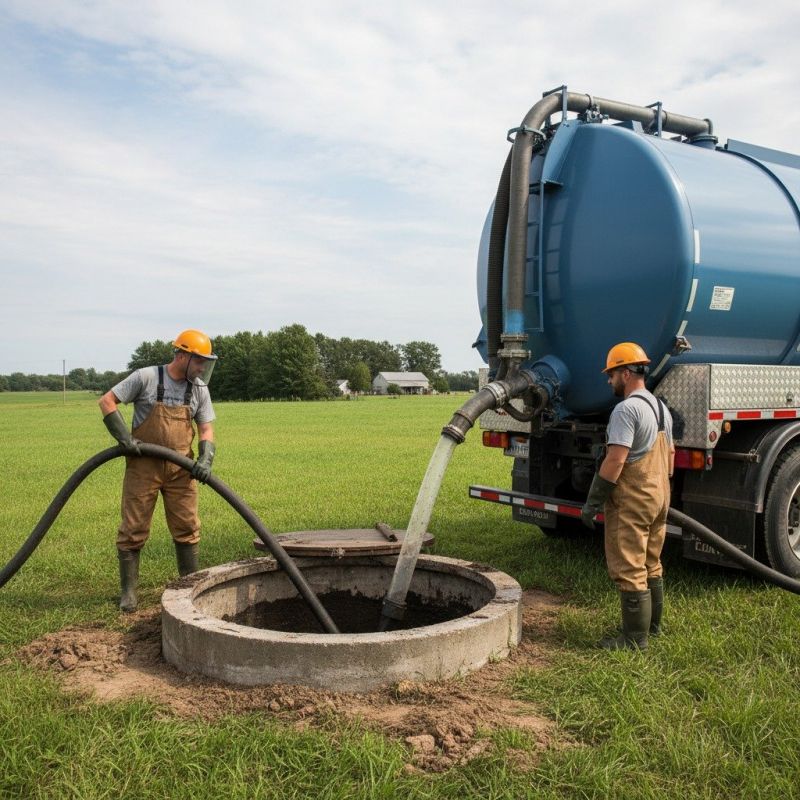
When evaluating options for septic tank pumping services, it’s important to consider the experience of local contractors with similar projects. Homeowners should look for providers who have a proven track record in handling septic systems comparable to their own, as this can indicate familiarity with the specific requirements and challenges involved. Asking for references or examples of past work can help gauge the contractor’s expertise and reliability, ensuring that the chosen professional has successfully completed projects similar in scope and complexity.
Clear written expectations are key to a smooth service experience. Homeowners should seek out providers who can communicate their process, what the service includes, and any potential considerations upfront. Having detailed, written information helps prevent misunderstandings and ensures everyone is on the same page regarding the scope of work. It’s also beneficial to clarify what is expected from the homeowner, such as access to the site or preparation steps, to facilitate a seamless process.
Good communication and reputable references are essential when selecting local contractors for septic tank pumping. Homeowners should prioritize providers who are responsive and transparent in their communication, making it easier to address questions or concerns early on. Additionally, checking references or reviews can provide insight into the contractor’s professionalism, dependability, and quality of work. Since this site introduces people to local options rather than performing the work itself, it’s important to independently verify the reputation and experience of each service provider to find a trusted partner for the job.
Property owners use Septic Tank Pumping services for practical projects around their homes and businesses. This guide focuses on everyday jobs and straightforward project options.
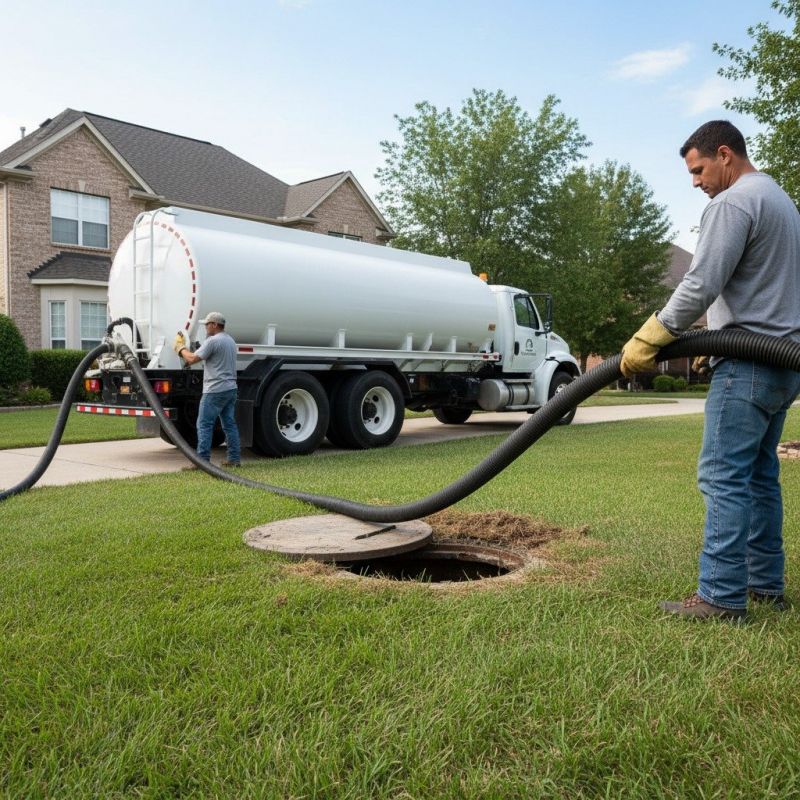
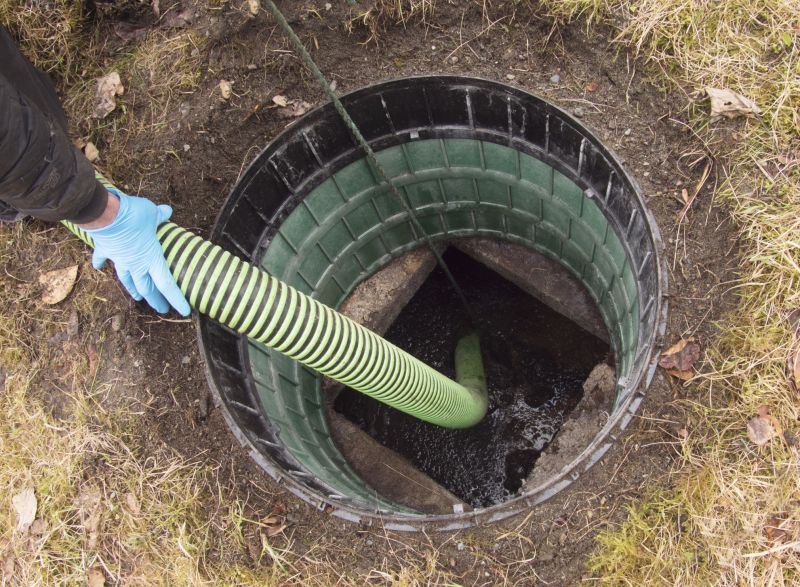
Septic tank pumping is a common service that property owners might need when their tanks become full or start to experience issues. This can happen during routine maintenance or if there are signs of backups, slow drains, or unpleasant odors around the property. Local contractors who specialize in septic system care can handle these situations efficiently, helping to prevent more serious problems and ensuring the system functions properly.
Many property owners seek septic tank pumping services due to scheduled maintenance or after noticing that their system is not operating as it should. Whether for residential properties, farms, or commercial sites, local service providers can assist with keeping septic systems in good working order. Regular pumping can help extend the lifespan of the system and avoid costly repairs down the line.
What is septic tank pumping? Septic tank pumping involves removing accumulated sludge and scum from a septic tank to ensure proper system function and prevent backups.
How often should septic tanks be pumped? The frequency of pumping depends on tank size and household usage, but generally, it’s recommended every 3 to 5 years.
What are signs that septic tank pumping is needed? Signs include slow drains, foul odors around the tank or drain field, or standing water near the septic system.
What should I consider when choosing a local contractor for septic tank pumping? Look for experienced service providers with good reputation and proper equipment to handle your septic system safely.
Is septic tank pumping necessary for system maintenance? Yes, regular pumping helps maintain the health of the septic system and reduces the risk of costly repairs or failures.
Preventative Maintenance - Regular septic tank pumping helps property owners avoid costly backups and system failures by maintaining proper tank function.
Property Renovations - During home expansions or renovations, septic systems may need pumping to accommodate increased wastewater flow and ensure proper operation.
Seasonal Drainage - Pumping can be part of seasonal property upkeep, especially before heavy usage periods or after prolonged periods of inactivity.
System Inspection Preparation - Pumping provides an opportunity for local contractors to inspect the septic system and identify potential issues early.
If you are thinking about Septic Tank Pumping for a property, this guide is meant to help you understand the work, the typical project types, and how different options might fit your plans.
When you are ready, you can use the quote form on this page to share a few details about your project. From there, local pros can review the basics and respond with options that match what you have in mind.