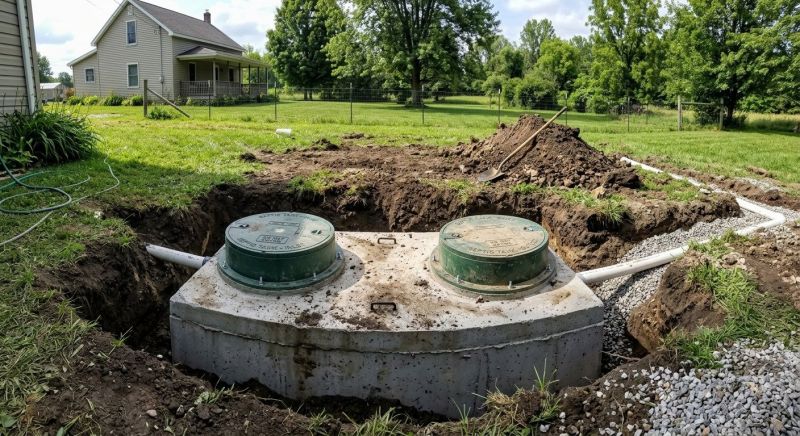
Septic Tank Replacement in San Antonio, TX
Septic tank replacement involves removing an existing septic system and installing a new tank to ensure proper waste management for residential properties. This service is typically requested when a septic tank has reached the end of its lifespan, is experiencing frequent backups, or has sustained damage that cannot be repaired effectively. Projects may include replacing tanks of various sizes, upgrading to newer models, or updating the system to meet current regulations and household needs. Property owners should understand the importance of proper sizing, the condition of existing drain fields, and local code requirements before requesting a replacement to ensure the new system functions reliably and complies with standards.
Homeowners considering septic tank replacement often want to know about the signs indicating a need for replacement, such as persistent odors, slow drains, or sewage backups. It’s also helpful to understand the process involved, including site preparation, excavation, and proper disposal of the old tank. Clarifying maintenance requirements and potential impacts on property use can assist in planning the project. Contacting a professional for evaluation and guidance can help determine the most suitable solution based on the property’s size, usage, and soil conditions.
Many property owners in San Antonio, TX look into Septic Tank Replacement for repairs, replacements, upgrades, and appearance-related improvements.
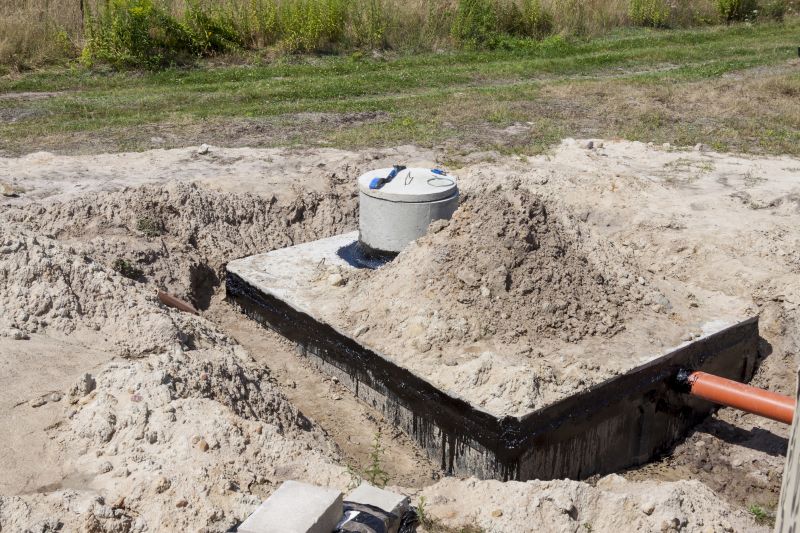
Septic Tank Replacement Options
Choosing the right septic tank replacement ensures reliable wastewater management for san antonio homes.
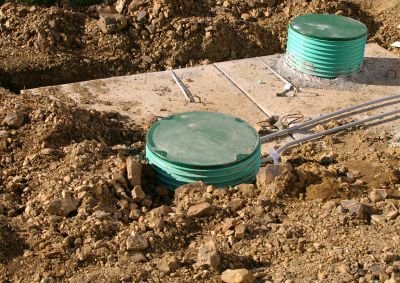
Signs You Need A New Septic Tank
Property owners may notice odors, backups, or slow drains indicating the need for replacement.
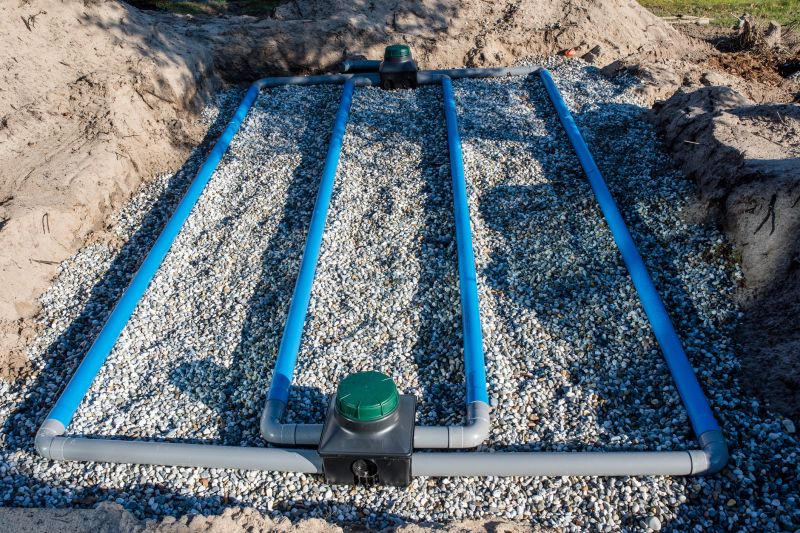
Benefits Of Modern Septic Systems
Upgrading to a new septic tank can improve system efficiency and reduce maintenance issues.
Septic Tank Replacement in San Antonio, TX
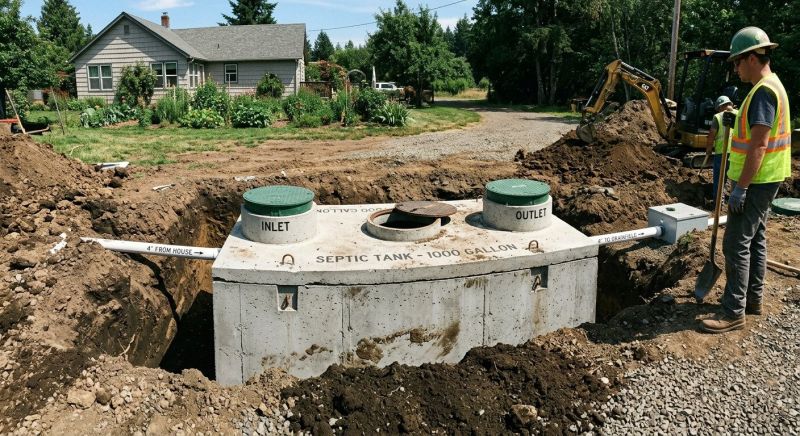
Septic tank replacement involves removing an existing septic system and installing a new tank to ensure proper waste management for residential properties. This service is typically requested when a septic tank has reached the end of its lifespan, is experiencing frequent backups, or has sustained damage that cannot be repaired effectively. Projects may include replacing tanks of various sizes, upgrading to newer models, or updating the system to meet current regulations and household needs. Property owners should understand the importance of proper sizing, the condition of existing drain fields, and local code requirements before requesting a replacement to ensure the new system functions reliably and complies with standards.
Homeowners considering septic tank replacement often want to know about the signs indicating a need for replacement, such as persistent odors, slow drains, or sewage backups. It’s also helpful to understand the process involved, including site preparation, excavation, and proper disposal of the old tank. Clarifying maintenance requirements and potential impacts on property use can assist in planning the project. Contacting a professional for evaluation and guidance can help determine the most suitable solution based on the property’s size, usage, and soil conditions.
Many property owners in San Antonio, TX look into Septic Tank Replacement for repairs, replacements, upgrades, and appearance-related improvements.
Common Septic Tank Replacement Jobs
Septic Tank Replacement - involves removing an outdated or damaged tank and installing a new system.
Septic System Upgrades - includes replacing aging components to improve system performance.
Tank Installation - provides new septic tanks for homes without existing systems or with failed ones.
Emergency Septic Replacement - addresses urgent failures that threaten property sanitation.
Septic System Modernization - updates old systems to meet current standards and efficiency.
Tank Size and Capacity Changes - replaces tanks to accommodate increased household or property needs.
Septic Tank Replacement Questions
What are signs that a septic tank needs replacement? Indicators include persistent odors, sewage backups, slow drains, and standing water around the tank area.
Why is replacing a septic tank necessary? Replacement is needed when the tank is damaged, failing to function properly, or has reached the end of its service life.
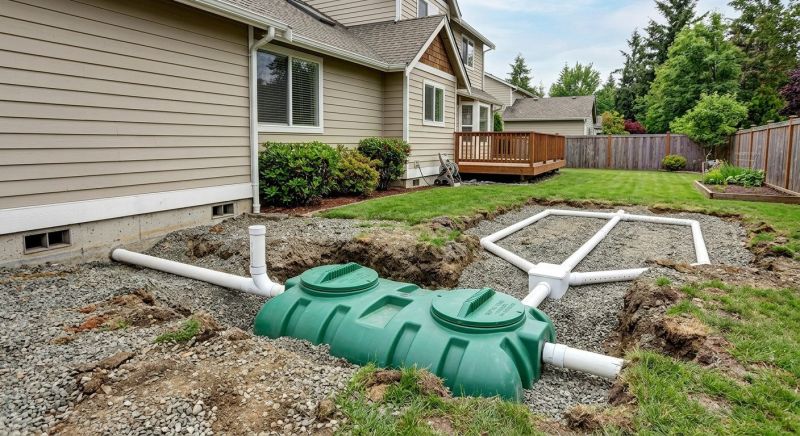
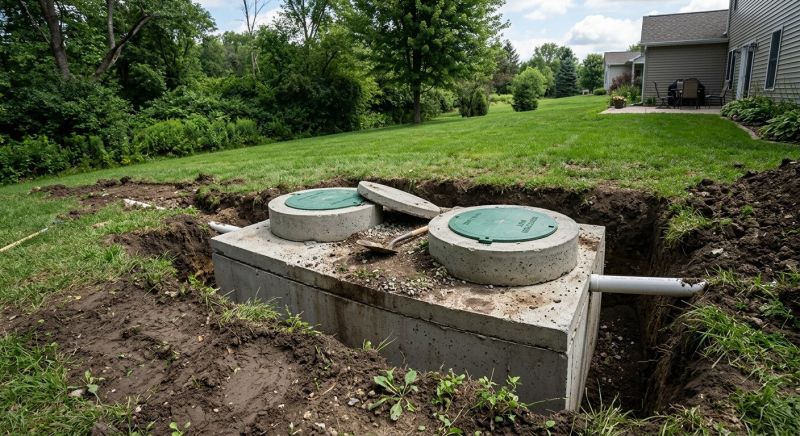
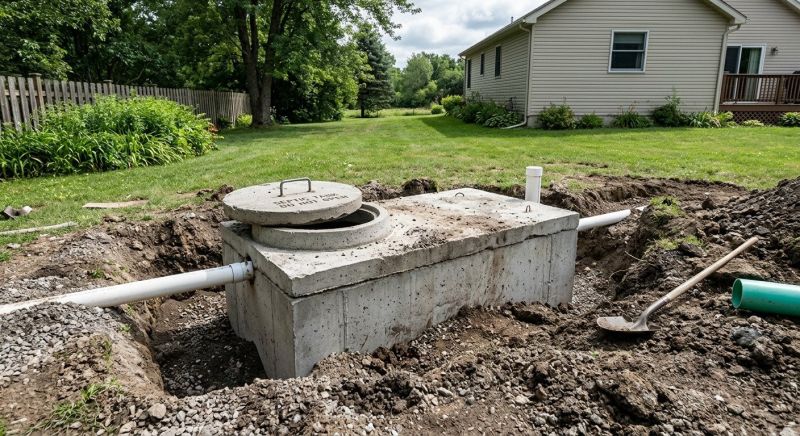
What types of septic tanks can be installed? Various options include traditional concrete tanks, plastic tanks, and fiberglass tanks, depending on property needs.
How does the replacement process typically proceed? The process involves removing the old tank, preparing the site, and installing the new unit, followed by system inspection and backfilling.
Request Septic Tank Replacement in San Antonio, TX
Use the quote form on this page to share the basics of your project and request more information for the type of work you need.